If you spend most of your day at a desk, you probably know the feeling: stiff hips when you stand up, a tight neck by mid-afternoon, and shoulders that seem to creep toward your ears. Sitting itself isn’t a villain, but staying in one position for hours is something our bodies handle poorly. The good news is that a few minutes of well-chosen movement can help you feel looser, more comfortable and more energized.
Why Sitting Leaves You Feeling Stiff
When you sit for long periods, your hips stay flexed, your chest rounds forward and your head often drifts ahead of your shoulders. Muscles held in shortened positions, such as the hip flexors and chest, can feel tight, while muscles that are held in a lengthened, low-effort state, such as the upper back and glutes, can feel sluggish.
Joints also like variety. Movement helps circulate joint fluid and gets blood flowing to muscles, which is why you often feel better after simply standing up and walking around. Public health guidelines generally encourage adults to reduce long uninterrupted sitting and to include regular physical activity, along with muscle-strengthening work on at least two days per week.
Stretching alone will not fix everything, but combined with frequent movement breaks and some strength work, it is a simple, low-cost habit with real benefits for comfort.
Stretching vs. Mobility: What’s the Difference?
These terms overlap, but they are not identical. Stretching usually means lengthening a muscle and holding the position. Mobility refers to how well a joint moves through its full, controlled range, which depends on muscles, connective tissue and your nervous system working together.
For desk workers, a mix is ideal. Static stretches can ease the feeling of tightness, while mobility drills, such as slow circles and gentle rotations, teach your joints to move comfortably again. Neither needs special equipment or a change of clothes.
Six Simple Moves You Can Do Today
Try these in your office, at home or beside your desk. Move slowly, breathe normally and stop if anything feels sharp or painful. Mild stretching sensations are normal; pain is not.
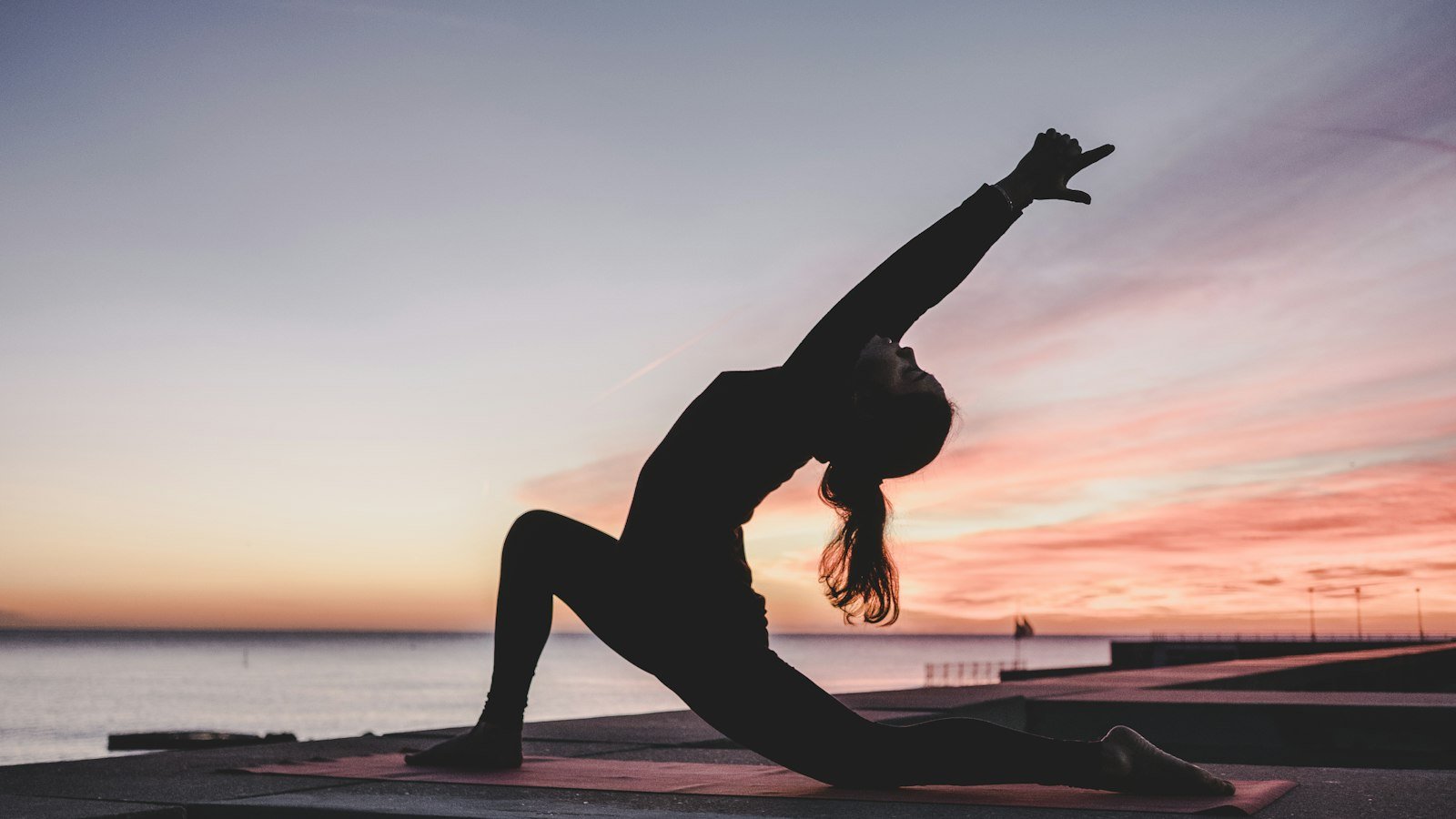
- Standing hip flexor stretch: Step one foot back into a short lunge, tuck your pelvis slightly and gently shift forward until you feel a stretch at the front of the back hip. Hold 20 to 30 seconds per side.
- Chest opener: Clasp your hands behind your back or place your forearms on a doorframe and lean forward gently. Hold 20 to 30 seconds.
- Seated thoracic rotation: Sit tall, cross your arms over your chest and rotate your upper body to one side, then the other. Do 8 to 10 slow repetitions per side.
- Chin tucks: Draw your head straight back as if making a gentle double chin, hold for a few seconds and release. Repeat 8 to 10 times to counter the forward-head posture.
- Seated figure-four stretch: Cross one ankle over the opposite knee and lean forward slightly with a long spine. Hold 20 to 30 seconds per side to ease the hips and glutes.
- Wrist and forearm stretch: Extend one arm, palm up, and use your other hand to gently pull the fingers down. Switch to palm down and repeat. Typists and mouse users often appreciate this one.
Build Movement Into Your Workday
The best routine is the one you will actually repeat. Rather than saving everything for a single long session, spread short breaks across the day. Many people find that a one to three minute pause every 30 to 60 minutes is easy to sustain, and there is no magic number, so choose a rhythm that fits your schedule.
Some practical ways to make it stick:
- Set a quiet reminder on your phone or computer.
- Pair a stretch with an existing habit, like refilling your water bottle or finishing a call.
- Take phone calls standing or walking when possible.
- Walk to a colleague instead of sending a message.
- Use a sit-stand desk if you have one, but remember that standing still all day is not the goal either. Changing positions is.
Your setup matters too. Keeping your screen near eye level, your feet supported and your elbows comfortably bent can reduce how much strain builds up between breaks.
Don’t Forget Strength and Walking
Stretching feels good, but your body also benefits from muscles that are strong enough to support good positions. Simple exercises such as bodyweight squats, glute bridges, rows with a resistance band and planks help the hips, back and core share the workload of everyday posture.
A daily walk, even a short one at lunchtime, adds circulation and gentle joint motion that stretching cannot fully replace. Think of mobility work, strength training and walking as three partners rather than competitors. Doing a little of each across the week is more useful than perfecting one.
The Bottom Line
You do not need an hour-long yoga class or expensive gear to counter a desk-bound day. A handful of simple stretches, regular position changes, some strength training and a bit of walking can help you feel more comfortable in your body. Start with two or three moves from the list above, repeat them often and build from there.
This article offers general information only, so please consult a doctor or physiotherapist if pain, numbness or stiffness persists.